Cohu in Malaysia: Penang design centre, Melaka factory
点击这里看中文版本 →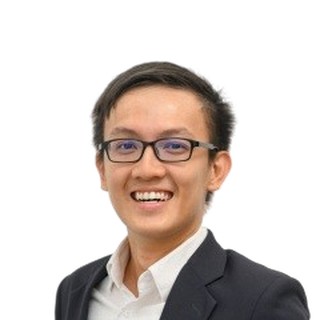
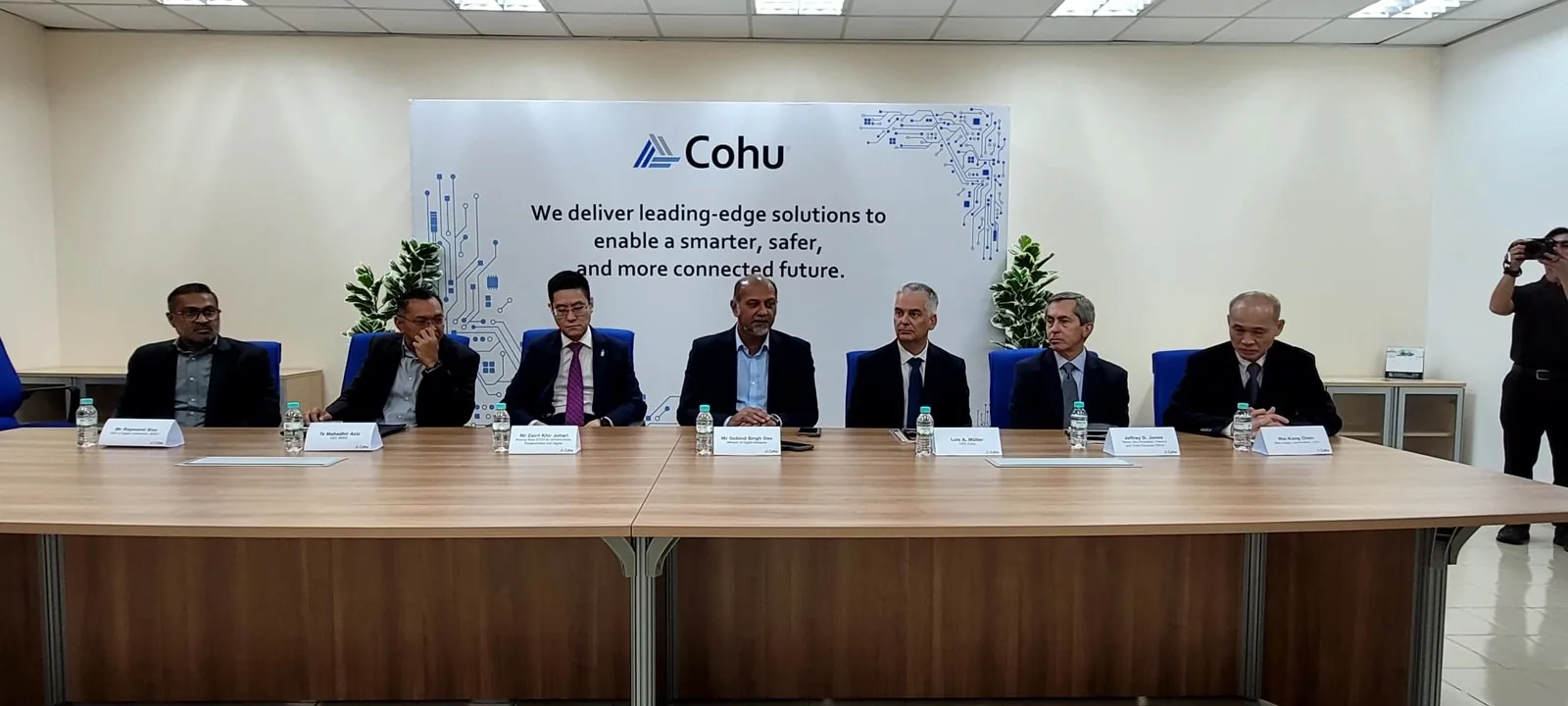
- Cohu, Inc (Nasdaq: COHU), founded in 1947 in San Diego, makes back-end semiconductor test equipment: test handlers, testers (ATE), contactors and spring probes, inspection and metrology systems and AI analytics software. Net sales were US$453.0 million in 2025 with 2,857 employees, 75% of them in Asia-Pacific.
- Its largest factory anywhere is in Ayer Keroh, Melaka: 117,000 sq ft, bought from its landlord on 30 December 2024. The plant began as Swiss firm Ismeca’s 8,200 sq ft rented unit with 50 staff around 1996 and had more than 650 staff by 2021.
- In Penang, Cohu’s testers are built by Jabil in Bayan Lepas. Cohu closed its own Penang handler and contactor manufacturing in 2019 and folded MCT Worldwide’s Penang plant into Melaka in 2023.
- On 21 June 2024 LTX Credence Sdn Bhd, a Cohu subsidiary incorporated in 1990, opened the 20,000 sq ft Penang Semiconductor Test Design Center at Plot 82, Lintang Bayan Lepas: RM71 million, up to 60 research engineers, and the first of its kind in Southeast Asia.
Cohu is not a household name in Penang the way Intel, Jabil or Osram are, yet its machines sit on almost every chip-test floor in Bayan Lepas, Kulim and Melaka.
Cohu at a glance
- Who: Cohu, Inc, founded in 1947, listed on Nasdaq under COHU, headquartered at 17087 Via Del Campo, San Diego, California (its 2024 press releases still said Poway).
- What: “a global supplier of equipment and services optimizing semiconductor manufacturing yield and productivity”, in its own words. In practice: test handlers, semiconductor testers, test contactors and spring probes, inspection and metrology systems, and analytics software for the back end of chip manufacturing.
- Size: net sales of US$453.0 million in 2025, up 12.7% from US$401.8 million, a GAAP loss of US$74.3 million, and US$484.0 million of cash and investments at year end. First-half 2026 sales were US$274.1 million, up 34%.
- People: about 2,857 employees across 25 countries at 27 December 2025, roughly 75% of them in Asia-Pacific.
- Malaysia: its largest factory anywhere, 117,000 sq ft in Ayer Keroh, Melaka, owned since December 2024; a 20,000 sq ft design centre in Bayan Lepas, Penang, opened June 2024; and contract manufacturing of its testers at Jabil in Bayan Lepas.
- Malaysian companies: Cohu Malaysia Sdn Bhd (Melaka) and LTX Credence Sdn Bhd (Penang, incorporated 31 March 1990).
What Cohu actually does
Every chip that leaves a wafer fab has to be tested before it ships, and much of that testing in Southeast Asia happens in Penang, Kulim, Melaka and Singapore. Cohu builds the machines around that step rather than the chips themselves:
- Test handlers pick each packaged chip, bring it to temperature (from below freezing to well above 100°C), press it against the tester and sort it as pass or fail. This is Cohu’s original strength, assembled from Delta Design (1983), Rasco (2008), Ismeca (2013), Multitest (2018) and MCT (2023). The Melaka plant is the volume factory for these.
- Semiconductor testers, also called automated test equipment or ATE, are the electronics that actually run the test programme. Cohu entered this business with the LTX-Credence “Diamond” line in the Xcerra deal; Jabil builds most of these systems in Penang.
- Interface solutions: the contactors, sockets and pogo-pin spring probes (Everett Charles Technologies and Kita) that touch the chip. These are consumables, which gives Cohu recurring revenue through the cycle.
- Inspection and metrology for packaged devices and high-bandwidth memory, and software analytics, expanded with the January 2025 purchase of Tignis, an AI process-control company.
Cohu reports all of this as one segment, Semiconductor Test and Inspection. MIDA names Infineon, Texas Instruments, STMicroelectronics, NXP and Samsung among the customers within a two-hour trip of Melaka, and says “most of Cohu’s equipment is installed in customer facilities located in Southeast Asia”. End markets are automotive, computing and AI, mobile, industrial, and power devices in silicon carbide and gallium nitride. Test-cell utilisation at its customers, the number Cohu watches most closely, reached 80% at the end of June 2026, its highest in several years.
How Cohu grew: a timeline
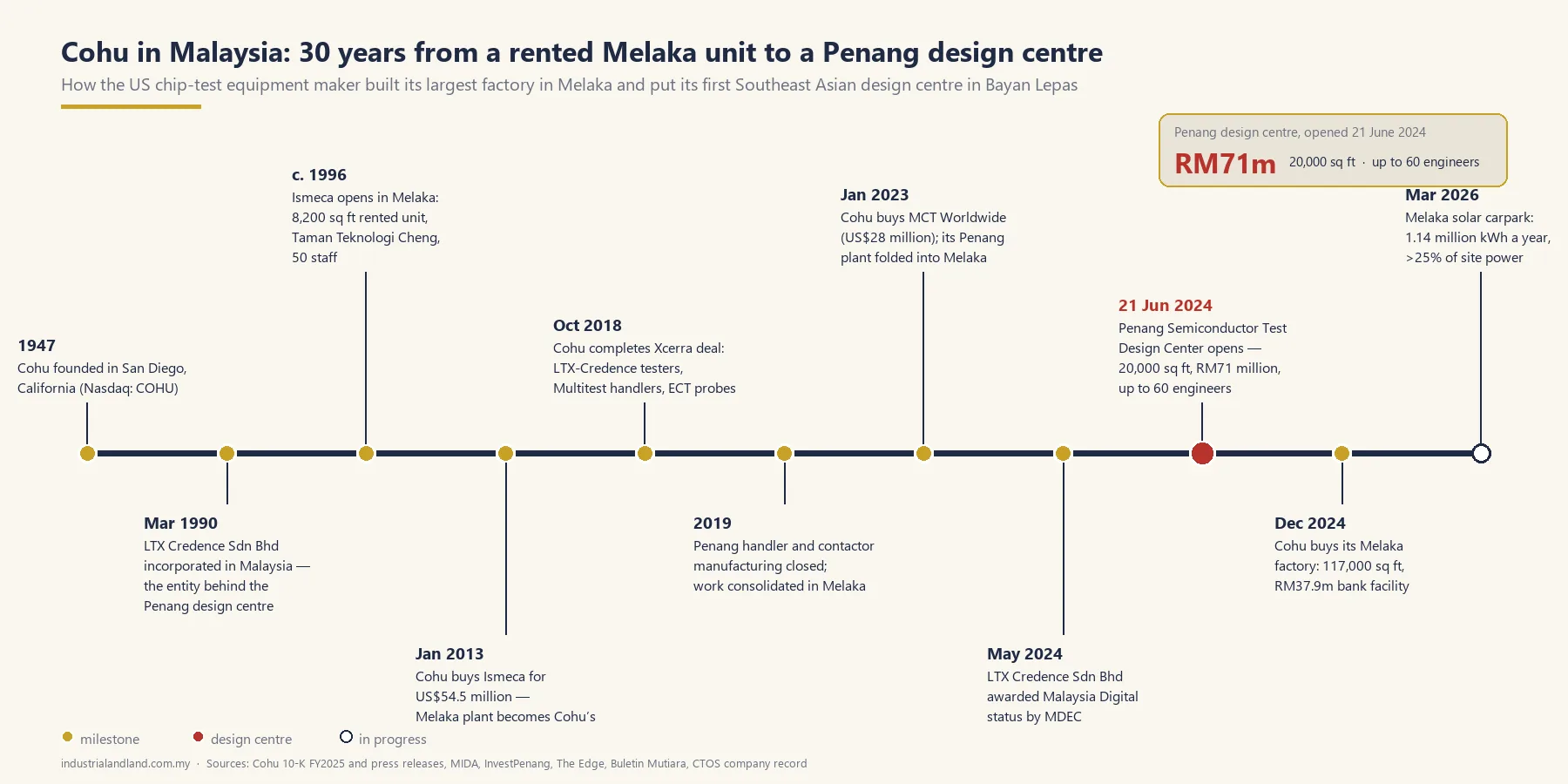
Cohu has grown mainly by acquisition. It bought Delta Design in 1983, listed on Nasdaq in 1994 and added Rasco in 2008. On 2 January 2013 it completed the US$54.5 million purchase of Ismeca Semiconductor of La Chaux-de-Fonds, Switzerland, whose “major operations in Malacca, Malaysia and Suzhou, China” gave Cohu its Melaka factory. Kita’s spring probes followed in 2017. The transformative deal was Xcerra, completed on 1 October 2018 at an announced equ okity value of about US$796 million, which brought LTX-Credence testers, Multitest handlers and Everett Charles Technologies contactors, and with them the Penang companies. MCT Worldwide (US$28.0 million, January 2023), Equiptest Engineering and Tignis (2025) came later.
Melaka: the world’s largest handler factory
Cohu’s Melaka story started with Ismeca around 1996, in an 8,200 sq ft rented unit in Taman Teknologi Cheng with 50 staff. By 2021 MIDA was calling it “the world’s largest test and inspection handler factory”: 100,000 sq ft in Kawasan Perindustrian Ayer Keroh Fasa 4 with more than 650 employees, and it had just shipped its 4,000th handler, a MATRIX thermal pick-and-place unit for Infineon in Singapore. That is 14 times the floor area and 13 times the headcount it started with.
Cohu’s latest 10-K lists the site, at No. 5203-1, Jalan PAK 2/3, at 117,000 sq ft and, for the first time, owned. On 30 December 2024 Cohu bought the building it had been leasing, using a RM40 million revolving facility from a Malaysian bank of which RM37.9 million was drawn, secured on the land and building at 4.04% interest. It describes Melaka as “our largest facility”, supporting “high-volume production of our test automation and inspection product families”, and the company holds Pioneer and International Procurement Centre status there. A US$701,000 solar carpark due in March 2026 is designed to generate 1.14 million kWh a year, more than a quarter of the site’s electricity. The plant scored “Silver” in its Responsible Business Alliance audit with no findings.
Penang before the design centre
Cohu’s Penang history is one of consolidation before expansion. The Xcerra acquisition brought two Malaysian entities: LTX Credence Sdn Bhd, incorporated on 31 March 1990 and registered to make and sell “electronic test, handling equipment” and to “conduct research and development”, and Multitest’s Penang handler operation. In 2019 Cohu “closed our manufacturing operations in Penang, Malaysia and Fontana, California” as part of the Xcerra integration, moving handler and contactor production to Melaka. It did the same with MCT Worldwide, a US company whose “principal manufacturing site” was in Penang, folding it into Melaka by the end of 2023.
What stayed in Penang was the tester line. Cohu’s 10-K says it depends on Jabil “to manufacture most of our semiconductor test systems from its facility located in Malaysia”, describing “dedicated semiconductor ATE manufacturing operations” at Jabil in Penang with automated process lines and smart-factory capabilities. Cohu even lists Jabil’s Bayan Lepas Industrial Park Phase 4 address on its own locations page. Our profile of Jabil’s 30 years in Malaysia covers that side.
The Penang Semiconductor Test Design Center, 21 June 2024
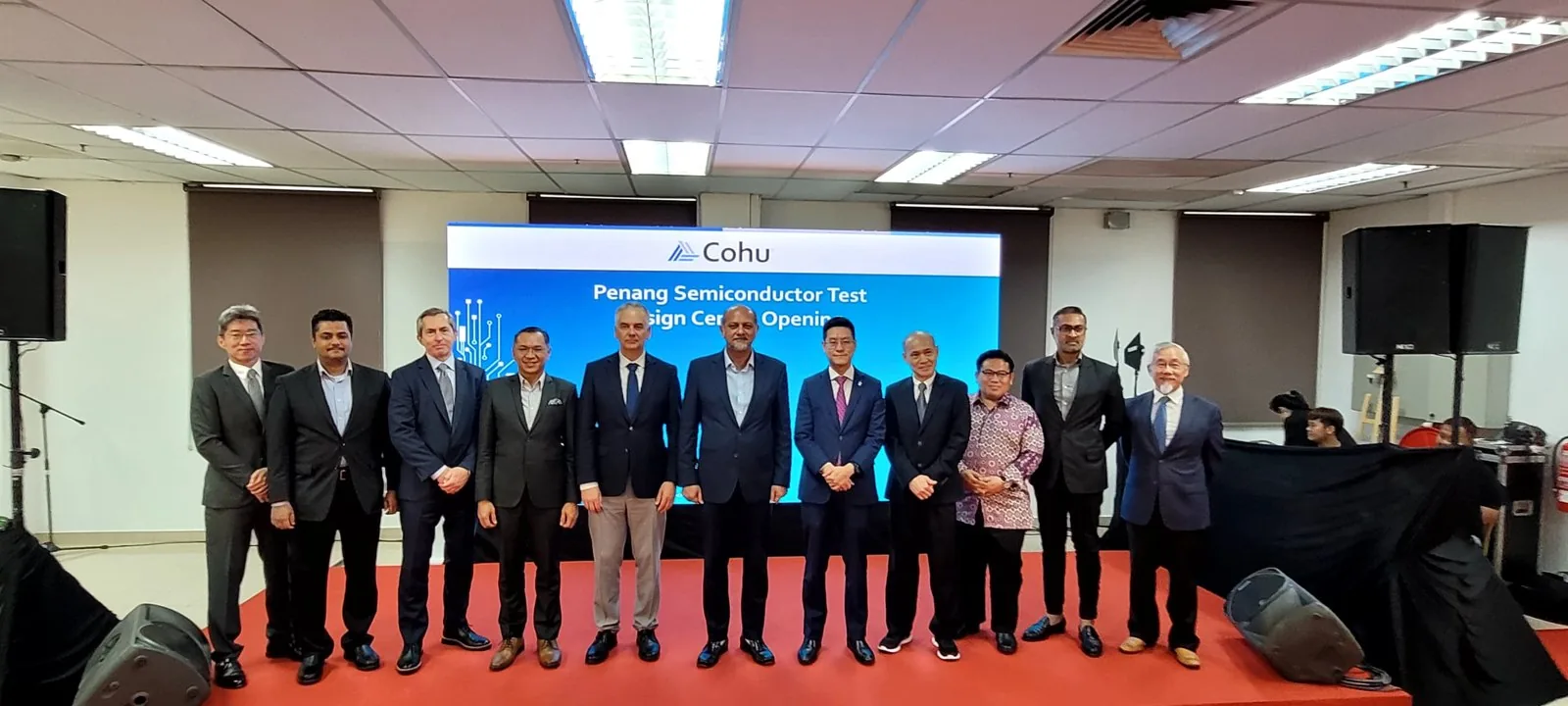
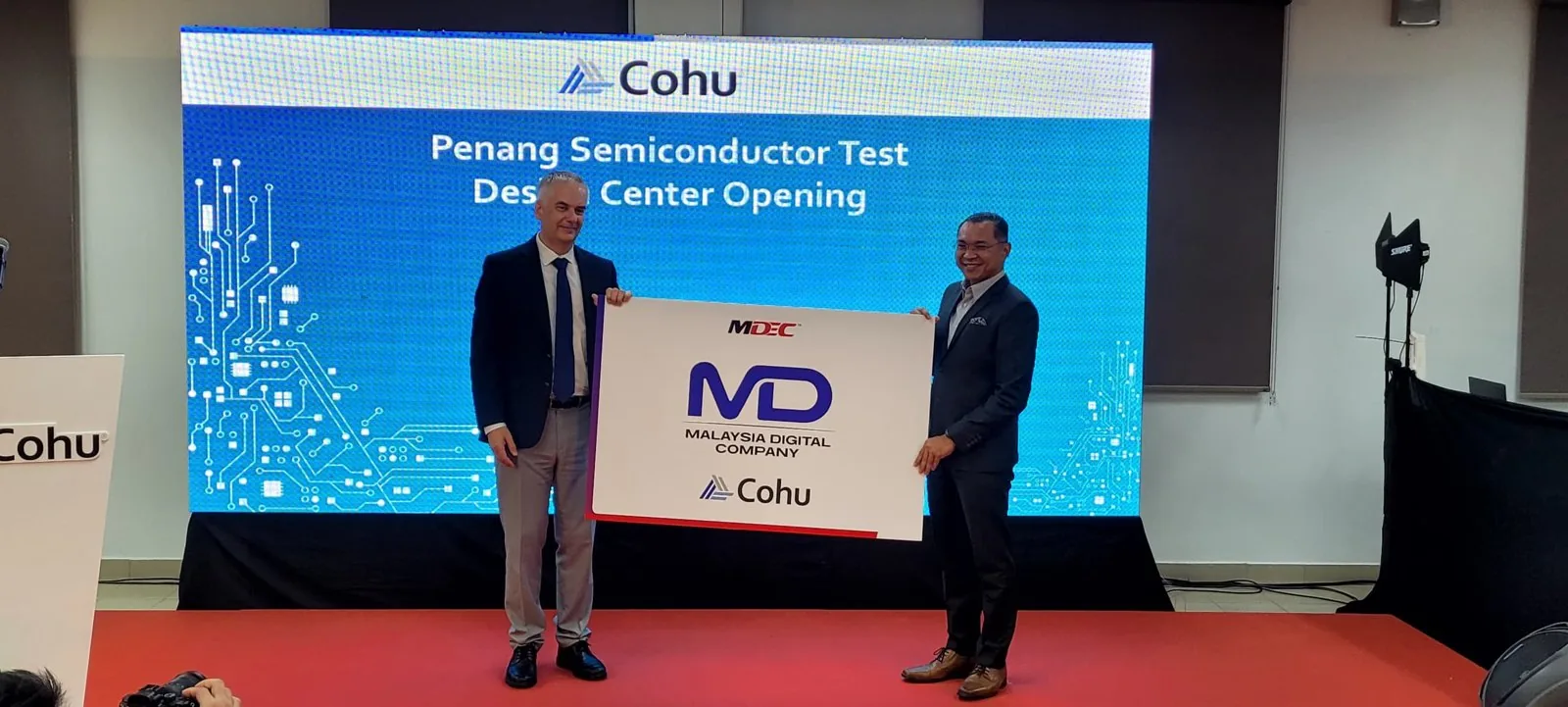
The design centre is the first time Cohu has put engineering, rather than assembly, in Penang. Opened on 21 June 2024 by Digital Minister Gobind Singh Deo, with Zairil Khir Johari representing the Chief Minister, it occupies 20,000 sq ft at Plot 82, Lintang Bayan Lepas, in Bayan Lepas Industrial Park Phase 4, and is run by LTX Credence Sdn Bhd, which received Malaysia Digital status from MDEC in May 2024.
The numbers given at the opening:
- RM71 million of investment by LTX Credence Sdn Bhd.
- Up to 60 research engineers to be recruited, which works out at about RM1.2 million of investment per engineer.
- RM1.6 billion of indirect economic value projected over five years, or RM320 million a year, about 22 times the investment. That is the government’s projection, not Cohu’s.
- 20,000 sq ft of floor space, about 1,860 sq m.
The engineering brief is next-generation high-speed digital and analog test instrumentation, “leveraging custom IC design”, for chips used in automotive and advanced displays. Cohu calls itself a pioneer of air-cooled test architecture: instruments that need no compressed air or chilled water and use less power than liquid-cooled systems, so that chipmakers “can produce more devices with smaller factories and lower energy”. Zairil called the centre “the first of its kind in Southeast Asia”.
Why Penang? Jeff Jones, Cohu’s chief financial officer, said the state was chosen “due to its strategic proximity to our contract manufacturer and customer base, along with a well-developed infrastructure, skilled workforce and supportive business environment”. The contract manufacturer is Jabil, a few roads away in the same industrial park.
Gobind added that Cohu “ranks third globally in the semiconductor test industry” and that 95% of Cohu’s Malaysian workforce is Malaysian.
Key people
- Luis A. Müller, President and Chief Executive Officer, the “chief operating decision maker” in Cohu’s filings. He attended the Penang opening.
- Jeffrey D. Jones, Senior Vice President and Chief Financial Officer, who gave the Penang site-selection reasons.
- Wai-Kong Chen, Vice President of Digital Engineering and head of the Penang Semiconductor Test Design Center. His conference biography says he has held vice-president engineering roles in the group since 1997, has more than 37 years of hands-on experience in digital and analog instrument design, holds an electrical engineering degree from the University of Louisiana at Lafayette, and is fluent in Malay, English and Mandarin.
- Cohu’s Penang is engineering space, not factory space. Its own manufacturing has consolidated in Melaka, its testers are built by Jabil, and the new footprint is 20,000 sq ft of design offices and labs in Phase 4
*Photos: InvestPenang gallery, 21 June 2024. Company figures are from Cohu’s Form 10-K for fiscal 2025 and its second-quarter 2026 results, both filed with the US SEC.*
Setting up a factory or plant? Buying / selling industrial property or land in Malaysia? Reach out to Scott now.
Related news
SkyGate NHJ commits US$30mil to a 36,000 sq ft plant in the Perai Free Industrial Zone
The Malaysia–Singapore precision machining joint venture opened its Perai FIZ facility on 4 September with Chief Minister Chow Kon Yeow officiating, committing US$30 million (RM121…
Penang approved RM17.3bil of manufacturing investment in six months — 77% of all of last year, and 69% of it is existing factories expanding
MIDA figures released on 3 September put Penang first in Malaysia for approved manufacturing investment in 1H2026: RM17.3 billion, 34% of the national total and 38% up year-on-year…
SIBS’s RM500mil Penang Science Park plant, the Swedish modular builder now ships Penang-made apartments to the UK, Australia and Greenland
Scandinavian IBS opened a 15-acre, ~500,000 sq ft second plant at Penang Science Park (North), Simpang Ampat in September 2022, part of a RM500 million programme promising 1,200 jo…